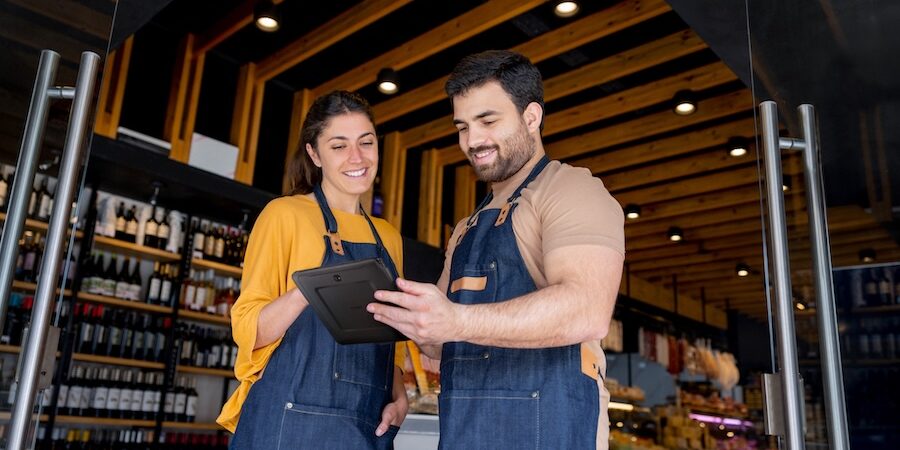
Anyone who’s ever worked as a store manager, knows the stress that comes with the job. In fact, as many as 54% of retail managers feel burned out on a daily basis, more than managers in other sectors.
Consider what retail managers have to juggle. The role requires an unrelenting focus on meeting sales goals, boosting customer satisfaction and improving staff performance. On top of that, retail managers face a heavy burden of administrative tasks, such as monitoring employee attendance and P&L reviews. At the same time, they must be present for their customers as well as their staff.
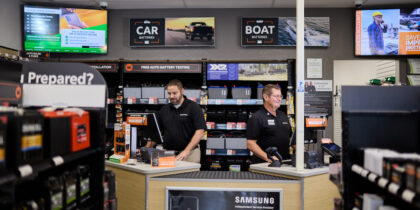
To keep up with routine paperwork, managers often find themselves stuck in the back office working on their desktops. They’re also needed on the sales floor to coach staff and gather insights to boost sales.
Some managers carry around devices to stay productive on the go, but many of these tools present drawbacks. Laptops, for instance are cumbersome and impractical. Another common practice—using handheld devices or tablets that are shared with store employees—can fall short. Because these devices are in high demand around the store, managers have limited access. At the same time, these shared tools lack dashboards and other applications that managers need to get the job done.
The upshot: Not having the right device suited to store managers’ needs can potentially hurt morale and the retailer’s bottom line.
Enter the connected store manager
What if a store manager could carry around their “office” in their pocket? What would it be like to walk the store aisles–and during downtime be able to handle administrative tasks? What if managers could use this same device to stay connected after work hours?
Mobile technology is making this a reality.
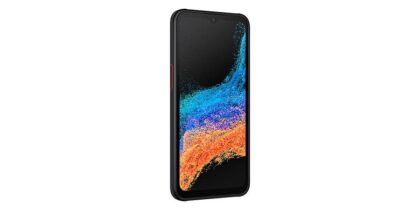
Advanced foldable smartphones offer store managers a two-in-one device that’s both a traditional phone, and when unfolded, becomes a tablet that can be used for administrative tasks.
When the device is folded, store managers can discreetly use it to read messages or alerts from the corporate office. Unfolded, the phone becomes a powerful small tablet that can be used to check timecards, approve HR requests, review dashboards or verify inventory levels directly from the sales floor.
This single device functions as a tablet, a phone, a messaging tool, and it can offer push-to-talk capabilities. It effectively can replace a manager’s existing devices, including their laptop, both inside and outside the store. That’s critical because a manager’s job doesn’t end when they walk out the door.
Sometimes store managers might need more of a desktop experience for tasks like in-depth data analysis, preparing detailed presentations, or reviewing complex documents. This is where a mobile-powered desktop experience comes into play. Store managers can plug their foldable smartphones into monitors and instantly connect to a full desktop computing environment.
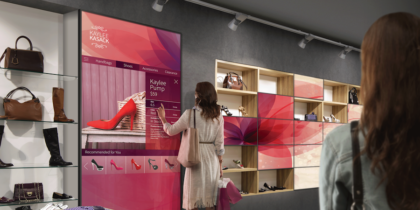
Retailers have seen significant benefits from offering smartphones to their store managers. One large retailer rolled out foldable devices to its managers and also set up kiosks, a way for managers to interact with their teams right from the sales floor.
Staying connected and productive outside of the store
These devices significantly also reduce technology friction outside of the store too.
Staying productive at home, for instance, becomes much easier. Managers can review complex documents after store hours, create schedules and message colleagues or vendors. The device is activated via carriers so managers can use it to make calls when necessary. Instead of staying at the store late or giving their personal numbers to their teams, they can simply connect their device to a screen, be it a TV or computer, allowing them to finish the job on a large monitor when it fits their time schedule.
The bottom line: foldable smartphones empower the connected store manager. Equipped with these tools, store managers can handle their administrative responsibilities with greater agility and flexibility, both on the sales floor and remotely. This allows them to be more engaged, less stressed and more effective.
Retailers that offer managers with these tools win too. By freeing store managers from the back office, they enhance employee engagement, drive greater operational efficiency and ultimately boost their business.
Ready to transform your retail operations and empower your managers to lead on the sales floor? Learn more about our solutions here.