Natural disasters are accelerating in frequency and severity. In 2025 alone, there were 23 weather and climate disasters in the United States with at least $1 billion in damages, the third-highest count on record.
This unrelenting surge is stretching disaster response teams to their limits. Frontline responders are being forced to make rapid, high-stakes decisions as events unfold at unprecedented speed and scale.
Whether responding to floods, hurricanes or wildfires, effective coordination and decision-making depend on a shared, real-time understanding of the operational environment.
Without a seamless common operating picture, resources can be misallocated, response times slow and risks to responders and communities increase.
With little margin for error and an urgent need for rapid deployment, disaster operators are increasingly relying on mobile technology to bridge situational awareness gaps for optimal disaster response.
The role of mobile solutions
Modern mobile solutions are becoming a critical preparedness tool in multi-agency disaster operations.
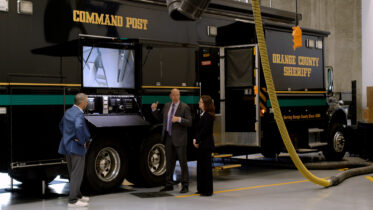
As disasters become more complex, role and team changes disrupt continuity, causing critical context to be lost or delayed across command centers, temporary shelters and distributed teams. Surges and operational handoffs occur rapidly, leaving no time for lost context or connectivity delays as shifts, agencies, volunteers and operational environments change.
That’s where seamless mobility becomes the game-changer. Secure, mobile and wearable technologies are helping close critical interoperability gaps by extending intelligence beyond fixed locations, allowing frontline disaster responders to remain connected and aligned wherever and whenever disaster strikes.
Mobility in action
The catastrophic flash flooding in the Texas Hill Country in July 2025 is a prime example of how mobile technology is supporting shared situational awareness for disaster response.
The floods, one of the deadliest inland floods in U.S. history, required coordination of 2,000 first responders from more than 30 agencies, dozens of helicopters, several fixed-wing aircraft and U.S. Coast Guard assets deployed for rescues and recoveries across air, water and ground operations.
This tragic event underscored the intricacy and complexity of disaster response and reinforced the indispensable role mobile solutions and modern devices can play in improving interoperability at scale.
Below are four essential elements that are helping strengthen disaster response frameworks in support of affected communities.
Powering real-time situational awareness
Intelligence confined to a physical center cannot keep pace with operational reality. By extending real-time intelligence beyond the physical command center, responders can ensure operations remain aligned.
During the Texas floods, rapidly rising water levels, shifting road conditions and overwhelmed infrastructure created a constantly evolving operational picture, one that responders had to understand quickly.
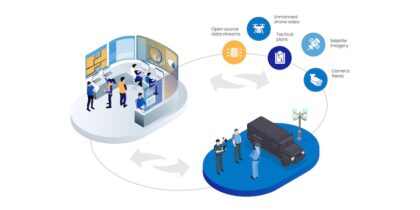
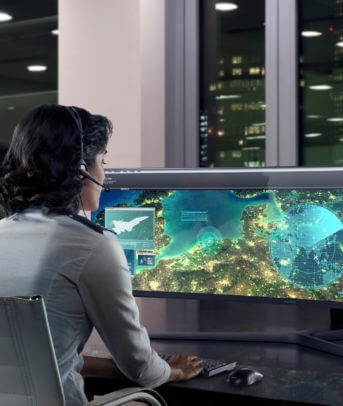
First responders on the ground in Texas used mobile devices to run the Android Team Awareness Kit (ATAK), providing them real-time data on 3D maps for mobile-enabled situational awareness. Responders across jurisdictions and shifts were able to share a single, continuously updated view of flood incidents and operations on a single, shared map.
This ATAK-enabled common operating picture gave responders the ability to reduce blind spots during handoffs and multi-agency coordination by leveraging location technology, drone feed integration and personnel and equipment tracking for more efficient operations.
Ultimately, an effective disaster response must prioritize real-time information for faster decision-making when it matters most.
Merging cellular and satellite communications
Blending cellular connectivity with satellite and other resilient communication methods ensures disaster responders stay connected even when towers are damaged, power is lost or networks are congested.
Floods like those in Texas can disrupt terrestrial communications and strain cellular networks, highlighting how quickly traditional infrastructure can become unreliable in a disaster zone.
Mobile devices integrate satellite technology with ATAK to enable emergency messaging and location sharing when cellular networks are destroyed. This capability allows users with smartphones and tablets to stay connected even when coverage is nonexistent, improving situational awareness in extreme conditions while supporting overall responder safety.
These hybrid communications practices and advancements remain essential across disaster relief where responders must operate beyond the reach of stable infrastructure, often for extended periods across wide geographic areas.
Deploying rugged, secure devices
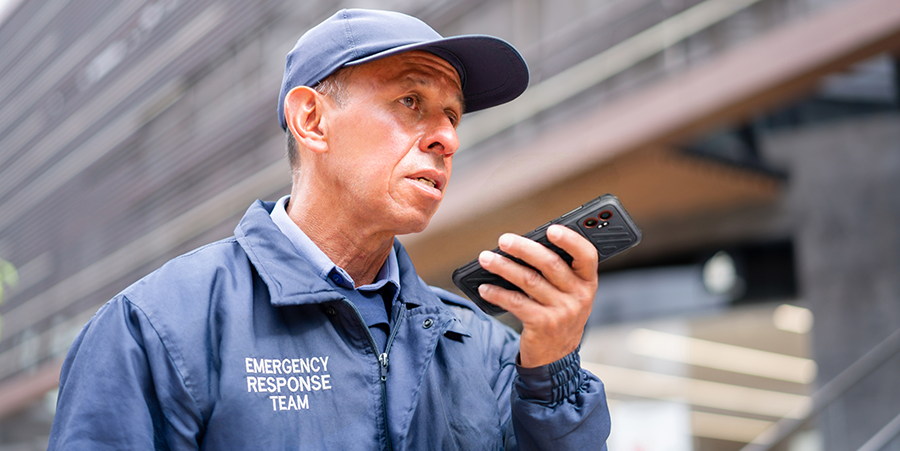
Rugged, purpose-built mobile devices allow responders to access situational awareness tools, communications platforms and mission-critical data without fear of device failure in harsh, unpredictable environments.
Flood responses like those in Texas require devices that can withstand prolonged water exposure, extended shifts and extreme weather. Devices must be designed for use in disaster zones, rugged enough to withstand physical drops with special features like wet touch and glove capability to remain effective in harsh and unfavorable conditions.
When the environment is unforgiving, rugged technology is the difference between delayed response and decisive action.
Leveraging wearables for health and safety metrics
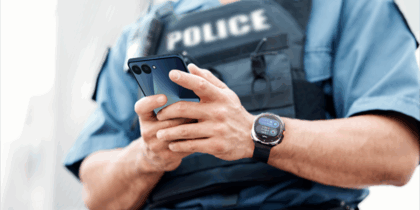
Wearables help disaster responders monitor biometric data to support health, safety and performance during long and physically demanding operations. In high-risk environments, this real-time insight helps responders identify fatigue, heat stress or medical issues before they escalate.
In quick response and rescue scenarios, wearables pair seamlessly with ATAK to enable real-time location tracking. This provides an added layer of safety through SOS and health monitoring for responders operating and doing search and flood rescue in fast-moving water, unstable terrain or otherwise dangerous conditions.
Ultimately, uniting health monitoring and location awareness strengthens responder safety and allows for rapid decision-making when seconds count and lives are at stake.
Dependable, coordinated disaster response
Closing situational awareness gaps in disaster operations ensures critical insight can follow the mission, not the shift, the team or agency.
When disasters like the terrible flooding in Texas strike, nothing is more critical than ensuring fast-moving and distributed teams have real-time situational awareness and dependable mobile solutions.
Together, real-time common operating pictures, resilient communications and rugged mobile technology form a repeatable framework that strengthens response across all disasters to enable effective, safe operations at scale.
For more information on how Samsung is supporting disaster response and closing interoperability gaps, click here.
1 Cases, cables and accessories are sold separately