Smart manufacturing investment surges ahead
The move to smart manufacturing drives greater productivity, agility and efficiency across increasingly connected operations. Manufacturing executives quickly recognize the value and urgency. In fact, according to Deloitte’s 2026 Manufacturing Industry Outlook, 80% of manufacturing executives plan to spend 20% or more of their improvement budgets on smart manufacturing. Manufacturers are at different stages of digital transformation, where 98% expect factory operations to be extensively or partially digitized end to end by 2028. Key technology investment areas include automation, AI, connected sensors and data platforms.
Mobile is the backbone of smart manufacturing
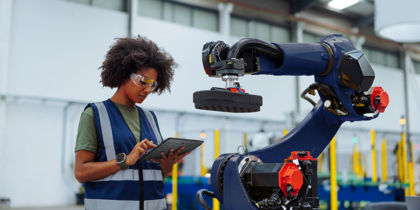
Mobile devices bring smart manufacturing to life by transforming productivity across the industrial edge – from the factory floor and warehouse to the loading dock and wherever frontline work happens. Mobile phones and tablets serve as a dashboard for connecting workers with secure digital workflows, operational systems and real-time information. Mobile solutions help extend the value of investments to people and workflows across the factory floor, contributing to improvements in productivity, quality, uptime and overall agility.
Three ways mobile unlocks more value from smart manufacturing investments
Manufacturers can get more from smart manufacturing by putting mobile at the center of their digital transformation strategy.
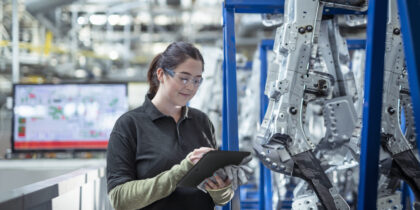
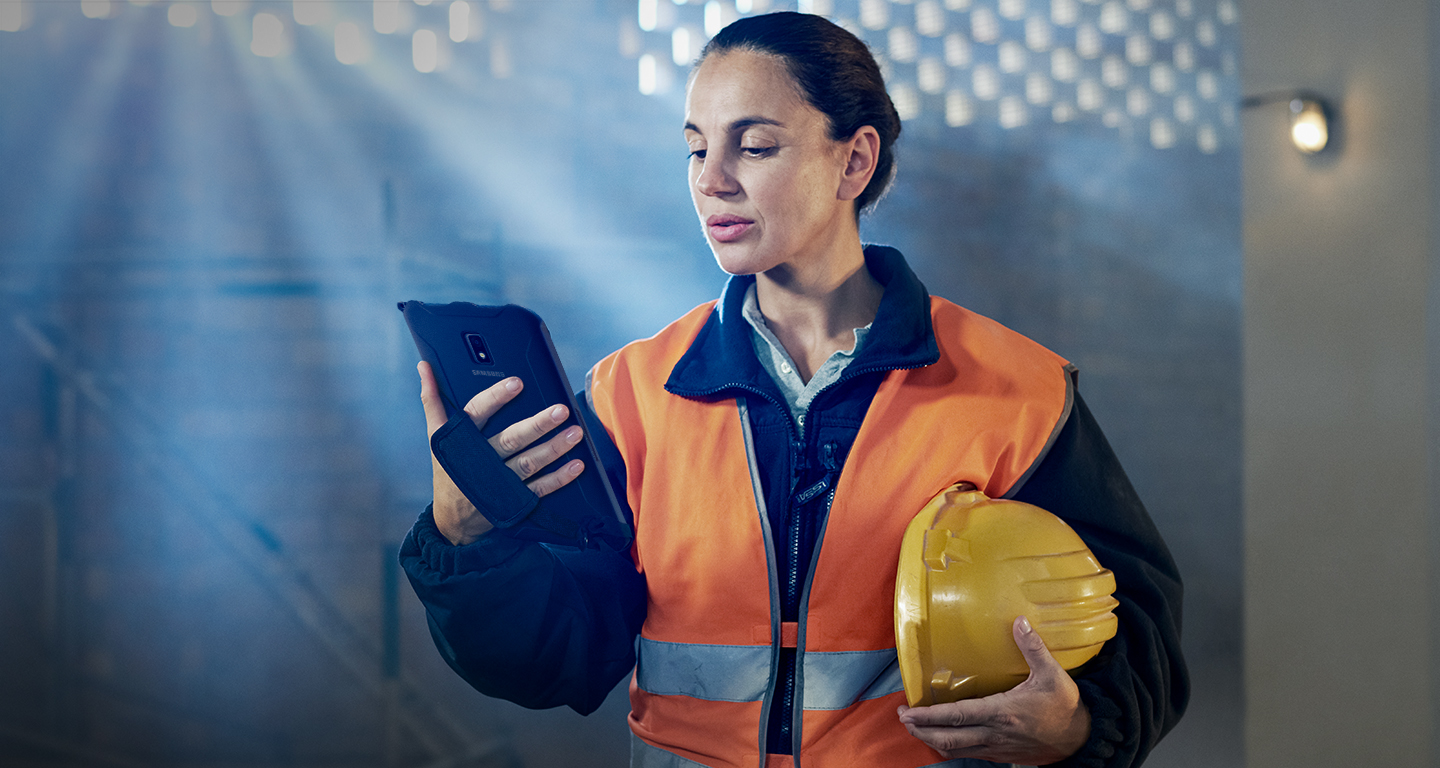
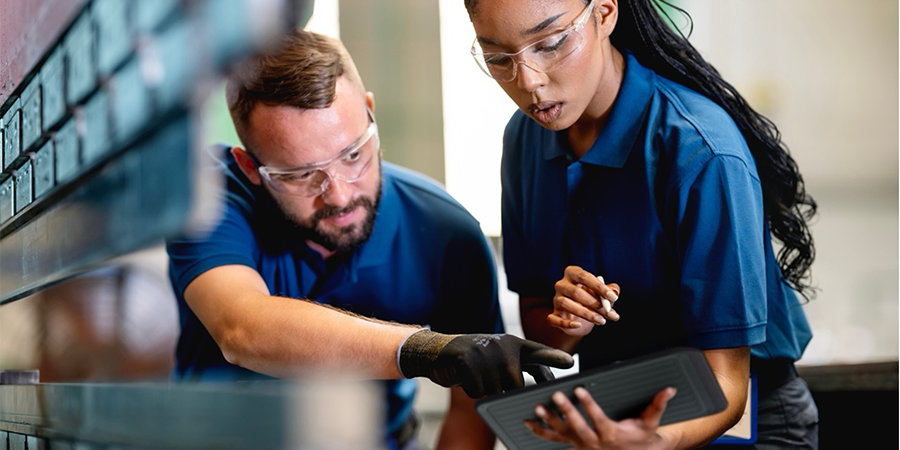
1. Connect and empower the worker. As factories digitize, frontline employees need secure, rapid access to information, applications and workflows that power operations. These mobile solutions increase productivity, safety and efficiency. Mobile solutions can extend digital workflows for specific tasks related to work orders and task management, digital inspections and quality checks, maintenance and repair workflows, reporting and documentation, communications and collaboration and training on instructions or standard operating procedures. Manufacturing demands rugged mobile devices that can withstand harsh conditions and rigorous daily use. Besides their durability, rugged devices are glove-friendly with long-lasting batteries.1
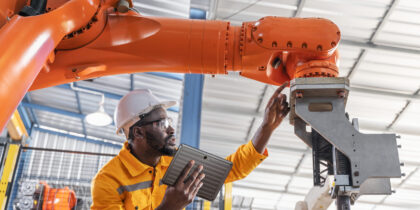
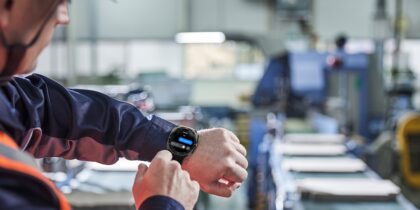
2. Real-time factory intelligence in your hand. By unifying IT and OT, manufacturers gain greater visibility across operations. Smart manufacturing generates vast amounts of data from connected equipment, sensors, IIoT systems, automation and analytics. Smartphones, tablets and wearables put that intelligence directly in the hands of frontline workers, giving them real-time access to alerts, equipment status, dashboards and applications without returning to a fixed workstation. Wearables extend this capability with hands-free access to critical information while work is underway. By bringing operational intelligence closer to where decisions are made, mobility enables faster response, greater uptime, improved quality and more flexible production. For example, with predictive maintenance, Samsung’s rugged Galaxy smartphones and tablets connect to sensors and IIoT systems. With this capability, manufacturers can minimize unexpected equipment failures, prevent costly disruptions and enhance productivity and operational efficiency.
3. Build an ecosystem that scales with innovation. Connecting more workers, devices and systems creates a growing number of endpoints for IT to secure and manage. Manufacturers need a mobile foundation that scales with their operations. A mobile ecosystem can extend across devices, workers and workflows, including industrial accessories, digitized workflows, and wearable technology. IT managers can easily deploy, manage, and secure devices at scale with Samsung Knox Suite, where it’s simple to keep devices current with scheduled OS updates, application deployments, and long-term security maintenance.2 The open Android OS ecosystem enables seamless integration with industrial hardware, specialized manufacturing software and accessories such as rugged cases, mounts and barcode scanners.3
The bottom line
Getting more from smart manufacturing investments means bringing their value into everyday operations. Mobile solutions connect workers with the information, applications and systems they need to digitize frontline work, turn operational intelligence into action and securely scale connected operations.
Explore Samsung’s manufacturing solutions and use cases.
Disclaimers:
-
- Touch sensitivity increases responsiveness for leather gloves 2mm or less in thickness, based on internal laboratory test results. Devices can be used in wet environments, but not fully submerged under water. Underwater touch is not available. Touch-responsiveness may vary depending on the material and thickness of gloves as well as other environmental conditions.
- Knox Suite requires separate license.
- Cases, cables and accessories sold separately.