As regulatory expectations change and trial schedules move forward, life sciences leaders face fresh challenges in producing clean, defensible data while still managing costs. This dynamic dramatically tests the limits of traditional research models. Pharmaceutical, biotech and medtech leaders now face a critical question: How quickly can they operationalize new approaches to clinical data collection?
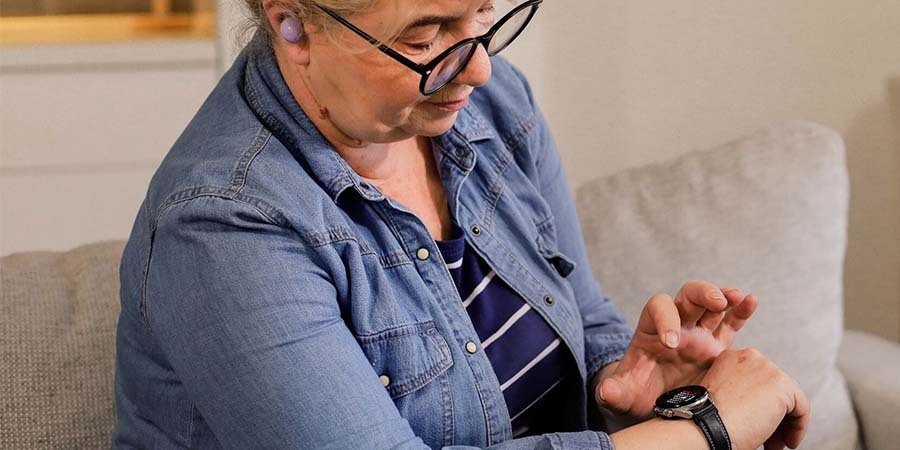
Wearable technology — something as simple as a smartwatch — is emerging as one of the most powerful answers to that question. Connected devices capture continuous, real-world biometric data and can help address four core challenges that have long undermined trial performance: data precision, data collection cadence, participant adherence and international interoperability. It is an effective tool for organizations under pressure to demonstrate drug efficacy and safety for FDA clearance, amid an ever-shifting landscape.
The data problem wearables actually solve
Traditional clinical trials are built around episodic data collection: measurements taken at scheduled site visits that capture a snapshot of a patient’s health. But the reality is that diseases do not behave in an episodic manner. Cardiac rhythms fluctuate. Sleep disruption compounds. Activity levels vary.
Wearables can address this data-collection gap by providing continuous biometric monitoring throughout a trial period. The result is a richer, more precise data stream that reflects how patients actually respond to treatment in their daily lives, which can be used to make a stronger evidentiary case for efficacy and safety, and reduces the risk of
late-stage surprises that derail approvals. With the wearable medical device market projected to grow at a 25.53% compound annual rate, the data reflects the industry’s growing confidence in the technology.
One source of data, from wherever the data is
Connected wearable platforms address the key operational challenges most consistently cited by life sciences executives by providing a single, reliable, real-time view of trial data across sites, geographies and patient populations.
When biometric data flows continuously from a participant’s device into a centralized, validated system, the trial sponsor gains a unified, auditable data record that reflects the patient’s health status in real time, from wherever they are. At the scale most pharmaceutical and biotech organizations operate, often managing multiple concurrent trials, even incremental improvements in how data is collected can translate into significant operational gains.
While often overshadowed in discussions about decentralized trials, connectivity and the international interoperability it enables, is a primary competitive advantage. Wearable-enabled trials rely on seamless data flow across borders and systems, ensuring patients, providers and researchers remain continuously linked regardless of location. This capability, running a truly global trial from a single, connected data infrastructure, is a meaningful differentiator for organizations building pipelines that require diverse patient populations.
Reducing trial attrition
The friction of traditional trial participation — frequent travel, burdensome self-reporting, disconnection from the study experience between visits — remains a primary driver of attrition. It also disproportionately affects the patients most important to enroll: those with limited mobility, demanding schedules or significant geographic distance from trial sites.
Wearable-enabled trials reduce that friction substantially. Passive, continuous data collection removes the burden of active reporting for routine biometric measurements. Participants remain connected to the trial through familiar devices they can integrate into their daily lives, thereby sustaining engagement and reducing the psychological burden of ongoing participation. The downstream effects on data completeness and statistical power are significant, and they directly address one of the most persistent operational vulnerabilities in late-stage development programs.
The regulatory tailwind
The FDA finalized new real-world evidence guidance in December 2025, explicitly expanding the framework for wearable and digital health-generated data in regulatory submissions. For life sciences organizations, this is a meaningful signal: The evidentiary standards of the future will be built around continuous, real-world data, and companies that have already embedded wearable data collection into their trial infrastructure will be better positioned to meet those standards efficiently.
Yet adoption remains uneven. Only 14% of life sciences executives report having fully implemented the data tools and digital infrastructure needed to operationalize this shift, even as 78% recognize these capabilities as central to their competitive position. The gap between strategic intent and operational reality represents both a risk and an opportunity.
The strategic imperative
As life sciences executives navigate this complex set of simultaneous pressures, pricing constraints are driven by new federal policy, rising compliance burdens and supply and chain volatility. Given this environment, the ability to run more efficient, more rigorous and more participant-centered clinical trials is not a nice-to-have. It is a vital capability that affects how quickly organizations can bring evidence to regulators, how compellingly they can tell that story to payers and partners and how effectively they can sustain long-term commercial performance.
Wearable technology, deployed with the right data infrastructure and clinical intent, is one of the clearest paths to that capability. The trial of the future will be continuous, connected and built around the patient’s real experience, not the constraints of the clinic. The organizations that build toward that model today will not just conduct better research but drive the next generation of life sciences development.
To explore how wearable-enabled data strategies can strengthen your clinical development programs, streamline operations and support regulatory readiness, connect with a Samsung account executive today. For additional content from our partner, Verily Health, access here.