Transportation and logistics companies face rising costs, workforce pressures and operational complexity, driving the need for greater efficiency, visibility and resilience. Reliable, on-time delivery depends on coordination across people, vehicles, freight, facilities and transportation systems. Operations rely on connected data and systems that move seamlessly with workers wherever the job takes them.
Digital transformation is front and center
According to the American Trucking Association, the industry is growing from an estimated $906 billion in 2024 to $1.46 trillion by 2035. Technology modernization is reshaping transportation and logistics during this pivotal time, with 73% of logistics companies having adopted some kind of digital transformation solution. Digital transformation is redefining the future of transportation and logistics, creating smarter, more connected operations. Transportation and logistics organizations rely on connected workers and vehicles, along with real-time operational intelligence to keep freight moving safely and reliably.
The role of mobile devices
Mobile solutions connect drivers and frontline teams with the digital workflows, fleet and freight data, and transportation systems that keep operations moving. They put real-time information and critical tools directly into workers’ hands, wherever work happens. This connectivity helps improve productivity, visibility and decision-making across every mile.
Mobile strengthens operations across three core areas:
1. Keep drivers and frontline teams productive across every shift.
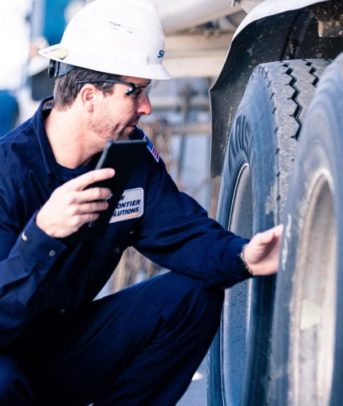
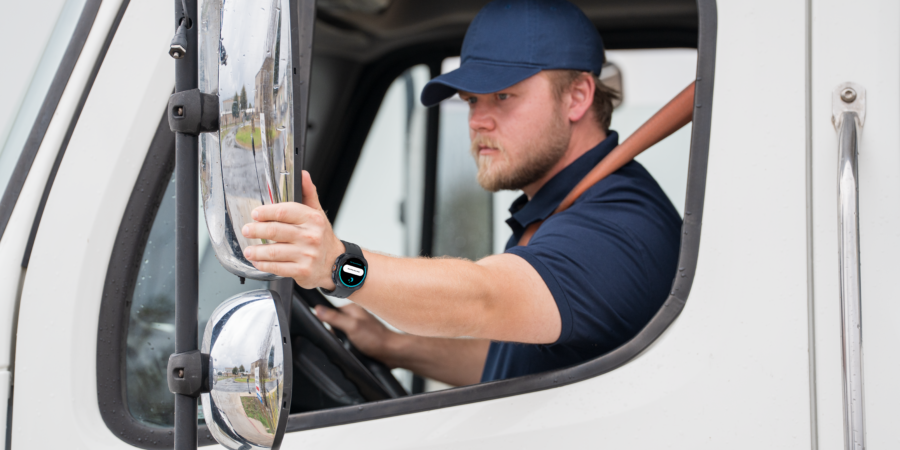
Drivers, warehouse associates, yard teams and other frontline employees work across locations and shifts, often with frequent handoffs, making mobile access an important part of the equation. Mobile-first workflows can consolidate tasks that might otherwise require multiple devices, paper processes or fixed workstations, bringing DVIR, proof of delivery, inventory, compliance, communications and other tasks onto a single device. Device consolidation simplifies mobility by reducing the number of devices workers need to carry in the field. Samsung’s portfolio of rugged smartphones and tablets is purpose-built for these demanding environments. Consider, for example, a truck driver moving through each stage of the journey from dispatch and digital inspection to delivery and proof of delivery. Mobile is critical to connected workflows, faster handoffs and greater productivity.
2. Turn fleet and freight data into faster decisions
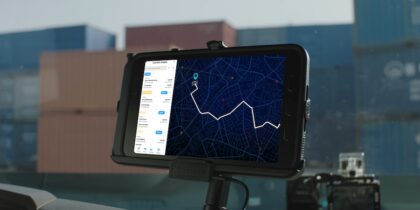
Connected vehicles, GPS, IoT, telematics, warehouse and transportation systems generate more data than ever.1 Mobile solutions can put that information directly into the hands of drivers and dispatchers, warehouse supervisors, maintenance teams and other decision makers. The true value stems from unifying diverse operational processes, from live routing, vehicle location tracking, and shipment visibility to fleet utilization, warehouse inventory management, and exception monitoring. All of these workflows get seamlessly integrated across TMS, WMS, and ERP systems. AI-powered predictive maintenance and digital inspections help reduce downtime and keep operations moving.2 Optimized routing, dispatch and fleet utilization further improve efficiency and strengthen On-Time, In-Full (OTIF) performance.
3. Support secure, connected operations across every mile
With transportation and logistics networks spanning vehicles, warehouses, yards and other facilities, operators need a consistent way to deploy, secure, manage and support tech across this distributed environment. With tighter IT-OT integration, it’s important to safeguard IT and OT environments with security controls designed to prevent threats from moving across systems. IT leaders can easily deploy, manage, and secure devices at scale with Samsung Knox Suite.3 The focus is on simplifying device deployment, lifecycle management and compliance across distributed fleets, warehouses and logistics networks.
Transportation and logistics organizations can improve productivity, operational performance and on-time delivery by connecting frontline workflows with real-time fleet and freight data within a secure technology ecosystem. Samsung provides rugged devices, real-time connectivity, security management and technology integrations to connect people and workflows, turn operational data into action and secure and manage a distributed mobile ecosystem.
Learn more about Samsung’s transportation solutions and use cases.
Disclaimers:
- GPS accuracy may be affected by weather, atmosphere and other obstructions such as buildings and tall trees.
- AI Assist features available on select Samsung Galaxy devices. Galaxy AI basic features provided by Samsung are free. Future releases may include enhanced features or new services that are offered on a paid basis. Different terms may apply for AI features provided by third parties. Galaxy AI basic features are those services listed under “Advanced intelligence” in the current Samsung Services Terms and Conditions. Dates, availability and supported features may vary by app and country. Samsung Account login may be required to use certain Samsung AI features. Samsung does not make any promises, assurances or guarantees as to the accuracy, completeness or reliability of the output provided by AI features.
- Knox Suite requires separate license.