With so many ways to advertise, marketing teams must make hard choices about where to spend their dollars. But there’s a secret weapon many of the world’s top brands use to promote their products that proves particularly effective — and it’s free.
User-generated content (UGC) is exactly what the name implies: content that is created by customers instead of a brand. Examples of UGC include photos, videos, online reviews, live streams and product testimonials. Furthermore, all are freely available on social media and other platforms.
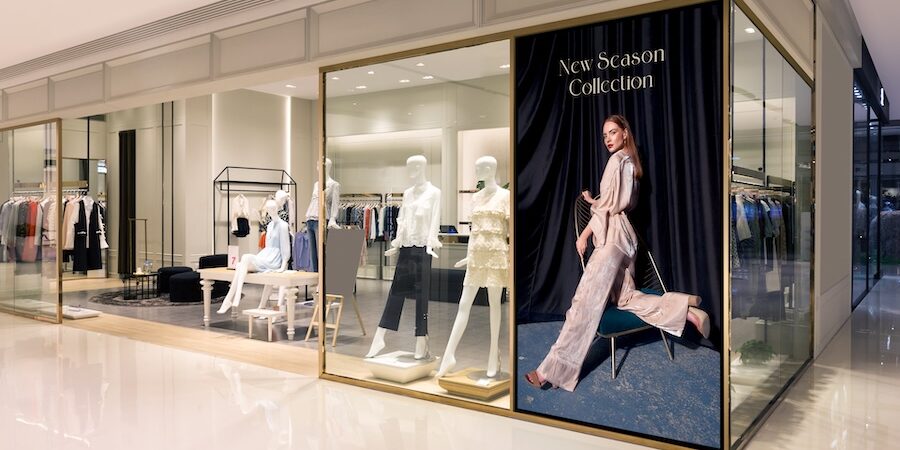
Retailers that take advantage of UGC can step out from the competition, especially when combined with the right digital displays on the store floor. Here’s how.
The benefits of user-generated content marketing
UGC can be a powerful tool in influencing the customer journey. Most notably, it allows everyday, relatable people to rave about your product or service from a place of authenticity.
That’s important because research from Signs.com shows that UGC is now the most trusted way Americans discover small businesses on social media. Thirty-one percent of consumers identified UGC as the content type they trust most, followed by brand-created visuals at 27%. Digital displays enable stores to channel that content into the shopping experience in a multitude of ways.
On a practical level, consumers want to see how clothes fit various body types or how makeup looks on various shades of skin, particularly when they are purchasing online. The way UGC often connects to fun, spontaneous or meaningful moments helps them see the product in action.
A prime example of UGC is GoPro’s marketing strategy that has long included encouraging users to share their videos taken with GoPro cameras, which the company uses to highlight real, unfiltered experiences.
Starbucks’ “#WhiteCupContest” is considered one of the strongest UGC campaigns in history. To promote its reusable cups — part of the brand’s initiative to promote sustainability — coffee drinkers across the country were encouraged to draw creative designs on plain white cups and post them to Instagram. The campaign received nearly 4,000 entries in three weeks and was so popular that the winning design was made available for purchase in stores the following year.
A subset of UGC is employee-generated content (EGC). With EGC, brands can show the good things they, and their employees, are doing in the community and the world. For example, brands might highlight employees explaining their sustainability initiatives, showing work in action or discussing what they like most about their job. This kind of behind-the-scenes content helps establish brand identity and gives consumers a peek into what makes it unique.
For many brands, UGC is a more realistic and agile option than hiring expensive production crews to concept and create individual ad campaigns. UGC gives brands an incredible opportunity to highlight and engage directly with their most loyal, dedicated shoppers who will likely be excited to be featured online.
Where to find user-generated content for retailers
So, how do brands like Verizon, McDonald’s, Netflix, National Geographic, Honda and Prada leverage UGC? After all, even though it’s free, it could still take forever to curate every brand mention online in real time. These brands, and many enterprise-level corporations, use Sprinklr, a social listening tool that helps brands harness the power of UGC.
Sprinklr’s AI technology allows businesses to engage with customers across more than 35 social and messaging channels, identifying a brand’s strongest supporters and boosting their content on owned channels streamed on displays inside the store. Social media is now a preferred contact channel, so businesses can gain trust by actively engaging with prospects and customers there.
Sprinklr can also tap into relevant conversations that don’t directly involve your brand with integrated listening, which helps identify consumer trends. And with the software’s enterprise-grade governance, brands don’t have to worry about inappropriate content slipping through the cracks: Sprinklr eliminates the risks of off-brand engagement by bringing rules, approvals and moderation processes together under a unified framework.
Together, these features transform social media from a conversation starter into a revenue driver.
How to use user-generated content
UGC isn’t just an affordable feel-good tactic; it’s a metric by which brands can measure success and return on investment (ROI). UGC can play on digital displays inside a retail space, drawing customers in and influencing their on-the-ground shopping decisions. When integrated with software like FastSensor, marketers can see what messaging works and where, and then optimize it for maximum value.
Using radio frequency listening, FastSensor’s AI tracks physical foot traffic in retail stores. It can determine which areas of a store customers visit most and least, and how long they stay there. With this information, brands can identify specific trends and convert this information into advanced analytics and actionable data, such as changing display content based on a potential buyer’s behavior.
How digitizing retail experiences boosts ROI
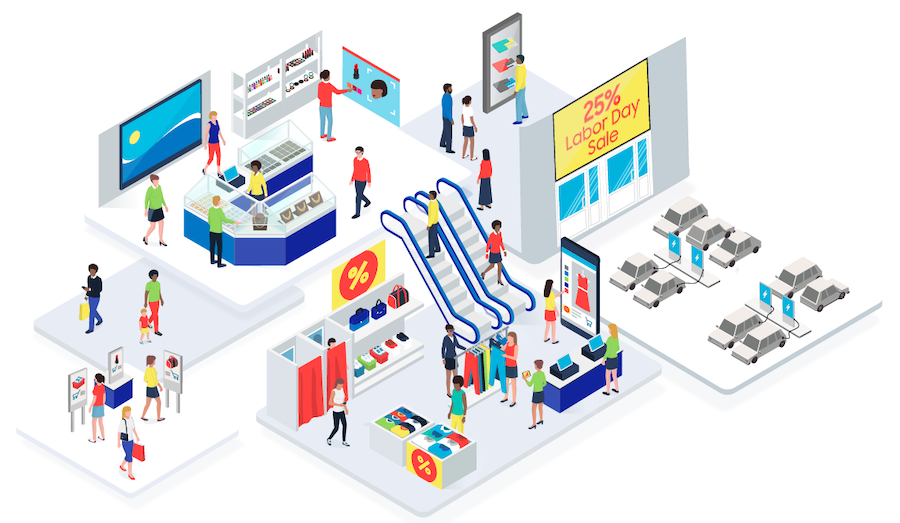
Explore customer behavior with and the operational benefits of a complete digital retail ecosystem. Download Now
UGC is an incredibly effective and affordable way to connect with fans, reach new customers and build brand trust in the marketplace. It’s also a cost-effective way to scale your business and increase ROI with minimal expenditure. For retailers looking to take their content game to the next level, UGC is the way to go.
Elevating UGC with retail displays
As UGC becomes more central to the retail experience, the way it is presented matters just as much as the content itself. Retailers are increasingly looking for display solutions that can showcase real customer stories with the same vibrancy and immediacy as social platforms — but at a scale that makes shoppers stop and say, “Wow.”
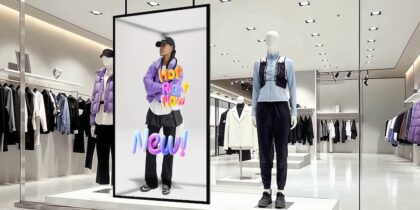
Innovative display technologies are making that possible. Supersized displays, for example, are giving a boost to UGC. The 115-inch Supersized Signage QH115FX 4K Commercial Display, Samsung’s largest 4K UHD signage display, allows retailers to present UGC at a scale that’s impossible to ignore. A single customer video can become a striking welcome moment at the entrance, while high-impact visuals strengthen engagement throughout the store. And other large-format Samsung displays like QPDX-5K Series 105″ give retailers the crystal-clear, vibrant space to celebrate their online communities, create emotional resonance and reinforce trust — all through content that customers created themselves.
Enhanced in-store engagement through integrated social feeds
Samsung’s VXT content management system further amplifies UGC strategies by enabling real-time synchronization of retailers’ Instagram Business accounts with in-store digital signage. This integration extends the reach of user-generated content from social platforms to physical retail environments, transforming digital signage into a dynamic extension of the retailer’s online community.
By seamlessly connecting online and offline experiences, VXT maximizes the value of UGC for retailers, delivering a cohesive omni-channel experience that leverages authentic customer content to engage shoppers across all touchpoints.
Next-generation storytelling
UGC offers a tremendous resource to businesses, and Samsung enables them to take advantage of it. These next-generation display solutions transform UGC from a supporting asset into a standout storytelling tool that connects with shoppers. The result is a richer, more connected in-store experience that mirrors how they already discover, evaluate and fall in love with brands online.
Discover the full range of Samsung’s retail display solutions, each designed for effective impact and versatility.