In modern public safety operations, connected mobility is a frontline requirement. A delayed alert, disconnected device or missed update directly impacts responder safety, incident coordination and the ability to protect communities across rapidly evolving events.
That is why many agencies are moving away from standalone devices and fragmented workflows and fully embracing integrated, mobile-enabled ecosystems. According to a 2025 U.S. Public Safety Trends Report, 89% of law enforcement respondents expressed concern about how legacy systems would perform during major incidents, natural disasters or cyberattacks.
That concern reflects the broader reality that disconnected systems can quickly become operational and safety liabilities. As public safety environments grow more complex, agencies need frameworks that seamlessly link responders, intelligence and operations in real time.
Mobile ecosystems play a key role in enabling modern interoperability. Samsung’s ecosystem of rugged devices, wearables and digital workflows support advanced common operating pictures, responder awareness and resilient connectivity built for the realities of frontline work.
A reliable common operating picture
Today’s responders juggle an immense amount of data, yet still spend valuable time navigating disconnected platforms or switching between devices during active incidents. In fast-moving environments, this operational friction slows coordination, delays decisions and creates additional risk when real-time access to intelligence is critical, even life-saving.
Mobile ecosystems bridge situational awareness gaps by consolidating communications, operational intelligence and workflows into one unified mobile experience.
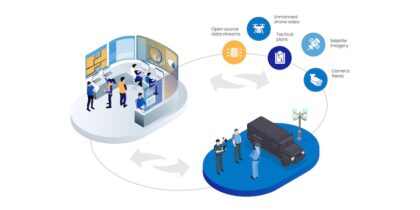
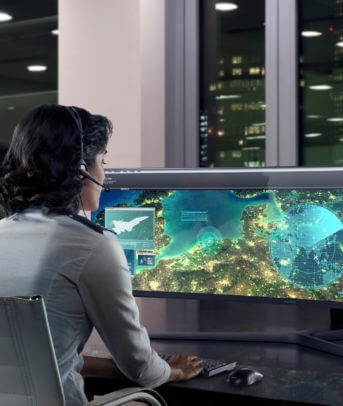
Perhaps the best example of this integrated framework is a state-of-the art Real Time Crime Center (RTCC), where mobile ecosystems and displays integrate live drone feeds, body camera footage and location intelligence into a centralized hub. By unifying operational intelligence, communications and field workflows, RTCCs support faster, more coordinated decision-making across analysts, field operators and the many sensor and data inputs deputies navigate each day. Real-time data moves quickly from command center hub to the operational edge, so analysts and leadership can support frontline operators, helping them synthesize intelligence, reduce delays and lower personal risk.
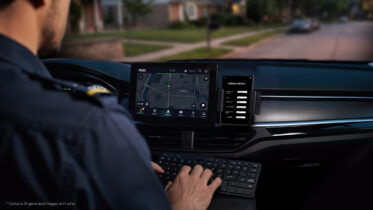
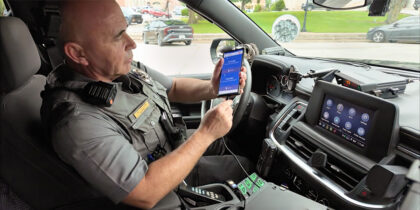
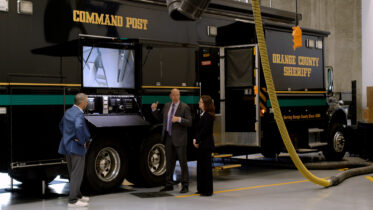
Beyond the RTCC, secure mobile management and defense-grade security frameworks support operational continuity across many public safety use cases, helping consolidate critical operational applications into a single platform. Samsung DeX extends this capability by allowing the same field device to power a desktop-style operational workspace whether inside patrol vehicles, mobile command centers or temporary incident posts, supporting seamless interoperability from command to field without interruption.
Connected mobility for responder safety
Public safety operations place intense physical and cognitive demands on frontline responders, particularly during large public events, extended emergency operations and rapidly evolving incidents. In these complex environments, maintaining visibility, accountability and uninterrupted communication supports responder performance and wellbeing.
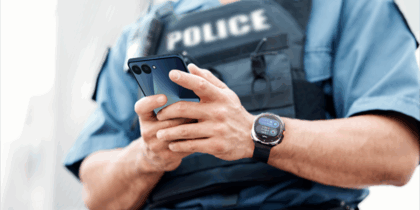
Hands-free communications, real-time alerts, location awareness and health monitoring through connected Samsung Galaxy wearables give agencies stronger visibility into personnel status and conditions. Connected ecosystems pair rugged devices with wearable alerts and hands-free workflows to maintain responder accountability, monitor operational readiness and improve team coordination during events, disaster response and extended deployments.
Connected insights and location awareness improve visibility and resource allocation across teams, helping agencies coordinate resources more effectively during active response.
For example, responders working crowded public events can use wearable alerts and location-awareness tools to maintain team visibility, improve accountability and respond more quickly when personnel or the public require timely medical assistance, helping agencies maintain stronger situational control and safer public environments.
Connected mobility accelerates readiness by giving personnel and supervisors greater visibility into field conditions and access to key health metrics to enhance operations and support responders.
Operational continuity amid disruption
Ideal conditions are rarely the norm for emergency incidents or large-scale events where complexity and frequent environmental or infrastructure changes are the norm. Large crowds, severe weather and network congestion all play a role in how effectively and safely teams can move and respond under pressure. Those operating in severe weather environments, disaster zones or extended field deployments need to maintain uninterrupted operational access for long periods where stable environmental conditions and connectivity are degraded or unavailable.
Mobile ecosystems offer resilient connectivity through 5G and advanced satellite capability, helping agencies maintain access to operational intelligence even when environments become unstable or infrastructure is strained. During severe weather incidents or network congestion at large public events, resilient mobile connectivity helps agencies maintain dispatch coordination, operational visibility and frontline communications. During national disasters, supervisors gain real time visibility into responder location, communication status and operational readiness across distributed teams and jurisdictions.
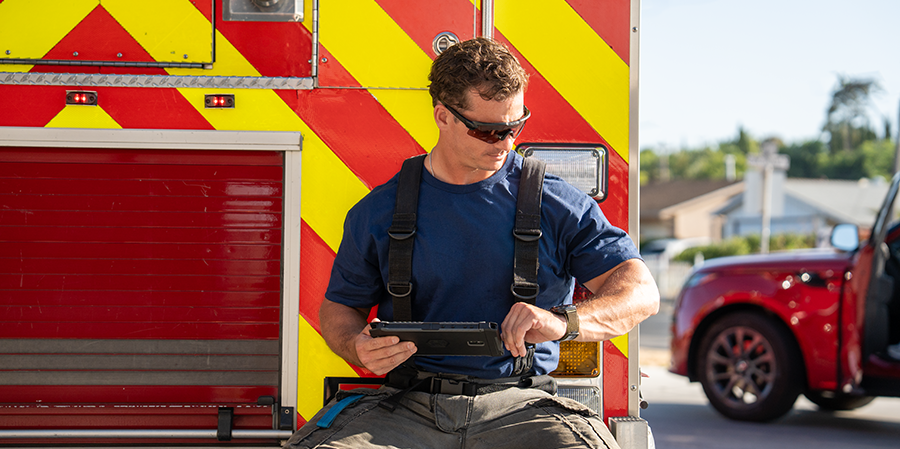
Rugged devices support operational resilience through durable hardware, replaceable batteries, edge connectivity and secure mobile management, even in disruption. This level of connectivity and interoperability becomes increasingly important in multi-agency response when organizations must remain in sync across large or rapidly evolving incidents. For example, teams remain interoperable across multi-agency evacuations, medical response operations or regional emergency incidents, helping law enforcement, fire and EMS personnel maintain connectivity across operational alerts, location mapping and field communication.
A connected framework for modern public safety
Risk reduction, responder readiness and resilient response are at the center of modern, mobile-enabled public safety operations. Connected ecosystems enhance connectivity, visibility and responder awareness across the full lifecycle of the public safety framework.
By connecting personnel, platforms and operational intelligence into a unified operating environment, agencies are better positioned to maintain continuity and adapt to rapidly changing conditions. Whether supporting day-to-day patrol, natural disasters, large-scale events or community emergencies, connected mobility strengthens coordination and improves operational readiness in support of safer, more resilient communities.
For more on Samsung public safety solutions click here.
- Samsung DeX supported on selected Galaxy, Note, and Tab devices. (More details on the FAQ Page)
- Cases, cables and accessories are sold separately.