A 2026 survey by the Pew Research Center found 60% of older adults would prefer to stay in their homes as they age and have someone care for them if they were no longer able to live independently. However, only 37% of that group thought this was extremely or very likely to happen.
For many families, that gap between preference and the realities of aging in place presents a significant challenge. Adult children and other caregivers balance concern for a loved one’s safety with a desire to respect their independence. Concerns about falls, medication management, social isolation and access to care can create ongoing stress, particularly when family members cannot provide daily support.
Those concerns become even more pronounced as more older adults choose to live alone. 2025 numbers from AARP showed that 21% of U.S. adults aged 50 and older are now living on their own, and the percentage rises to more than half for those aged 75 and above. All of this raises significant questions about safely aging in place on their own.
Technology is offering pathways to greater independence while helping families stay connected and informed. However, it takes more than a single device and a good connection on this journey. Helping older adults remain safe and independent at home requires an ecosystem of purpose-built tools that support safety, communication, and insights.
The challenges with aging at home
While the desire to age in place is strong, remaining independent presents a distinct set of challenges, especially for those living alone:
- Falls and injuries: Falls remain one of the most significant threats to older adults. According to the Centers for Disease Control, one in four adults 65 and older reports a fall each year, and these incidents are a leading cause of fatal injury. Beyond the immediate injury risk, falls can also lead to reduced mobility and diminished confidence, making it harder for an older adult to remain independent at home.
- Medication adherence: Managing medications becomes increasingly complex with age, leading to missed doses, incorrect usage, increased fall risk and preventable health complications.
- Social isolation: Aging in place, especially alone, can increase isolation. Limited mobility, transportation challenges and health conditions can reduce interaction, negatively impacting both mental and physical health.
- Home safety risks: Routine home maintenance can become difficult over time. Small issues, such as poor lighting, loose fixtures or minor repairs, can quickly turn into safety hazards if left unaddressed.
- Changes in daily patterns: Subtle changes in sleep, eating, or daily routines can be early signs that additional support may be needed)
Addressing these challenges requires more than occasional check-ins: It calls for connected technologies that can help monitor well-being, identify risks early and keep families and care teams informed.
The home as a connected care ecosystem
Technology solutions offer meaningful ways to address the risks of aging in place, particularly when they work together within a connected care ecosystem. Rather than relying on a single device, this approach combines wearable and in-home technologies to create a more complete picture of a person’s health, safety, mobility, and daily well-being.
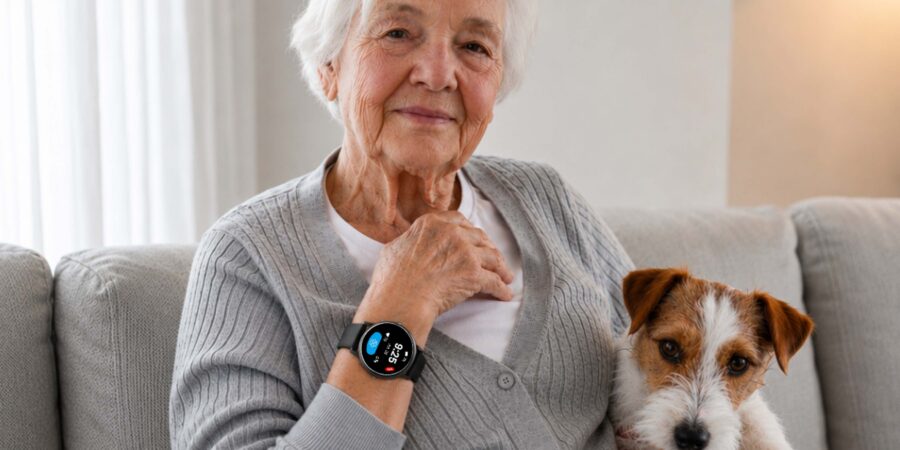
For many older adults, a smartwatch serves as the first layer of connected care. These familiar, user-friendly devices can continuously collect important health data, including heart rate, blood oxygen levels and other wellness indicators. They can also provide fall detection, location tracking, and two-way communication capabilities, helping connect older adults with caregivers or emergency responders when assistance is needed.
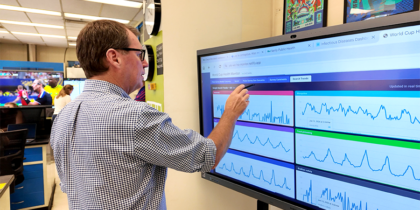
Within the home, intelligent sensing technology can help understand activity patterns and daily routines, helping identify changes that may signal emerging health or safety concerns. Data collected through smartwatch solutions extends that visibility by creating a more complete view of an individual’s well-being.
These insights can help caregivers better understand changes in mobility, including gait speed, a key biomarker of overall health, including fall risk. When a safety event occurs, they provide greater context for what happened and what support may be needed. Together, smartwatch technology and in-home sensing create a connected care ecosystem that supports independent living with greater visibility, confidence and peace of mind.
Care teams need connected care to support aging in place at scale
Aging in place doesn’t scale without equipping care teams in the field. As clinicians and care teams move between homes, mobile devices are their primary workstation, providing real-time access to patient records, care plans and documentation. Four key capabilities enable care teams to deliver coordinated, efficient care in the home:
- Real-time access at the point of care: Connected tools capture updates during visits, improving accuracy while reducing time spent on admin tasks later.
- Secure, continuous communication: Care teams stay aligned through secure communication, enabling them to share updates, coordinate with specialists and respond more quickly to patient needs.
- AI-assisted workflows: AI can help streamline documentation, summarize visits, reduce time spent on repetitive tasks and allow clinicians to focus more on patient care.
- Built for field-based care: Rugged, purpose-built devices with long battery life and reliable connectivity ensure clinicians can work without interruption across a full day of visits.
These capabilities connect patients, providers and systems in real time, making aging in place more coordinated and scalable.
Scaling care for health systems, confidence for families
When technologies are connected, they do more than support individual patients; they create a scalable care model that enables health systems to operate more efficiently while giving families greater confidence and visibility into daily care.
Caregivers and medical teams can quickly add new devices and capabilities to address current conditions, while also pointing to new options entering the fast-developing market, especially with the increasing integration of AI.
Families of older adults aging in place can rest a little easier, knowing their loved ones are not entirely alone or disconnected from critical medical support. Aging-in-place technology enables families to assist with care through alerts, shared applications and timely updates. Access to these technologies also helps families play a more active role in supporting a safer home.
If you would like to discuss mobile technology’s role in a home health ecosystem, please contact our Samsung Healthcare team.