Healthcare is undergoing a profound transformation—one that is moving care delivery beyond traditional clinical settings and into the home. In 2026, emerging technologies are not just supporting this shift; they are redefining what is possible. The home is evolving into a connected, intelligent care environment where innovation empowers both patients and providers.
From artificial intelligence to ambient sensing, the technologies shaping home healthcare today are laying the groundwork for a more proactive, personalized and accessible future.
The rise of the intelligent care environment
The modern home is becoming more than a place of residence—it is becoming a dynamic care platform. Connected devices, sensors and displays are working together to create a continuous, real-time picture of a patient’s health.
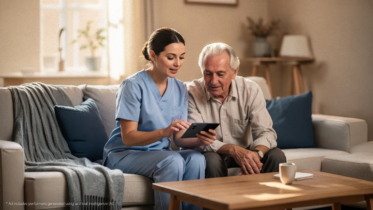
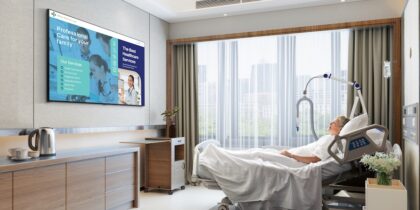
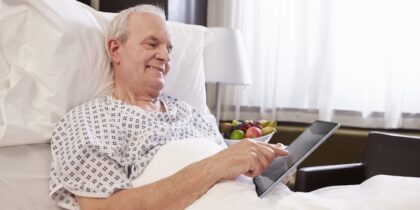
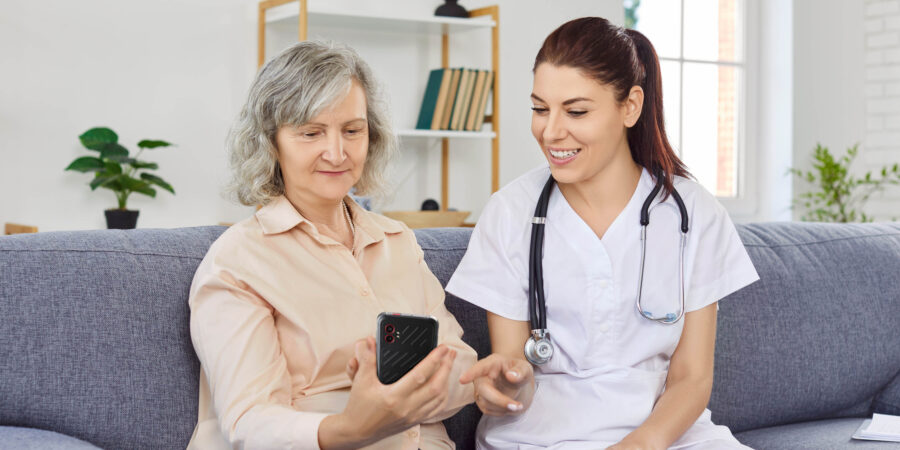
Smart TVs, mobile devices and wearables now serve as central hubs for communication, monitoring and engagement. These technologies allow patients to connect with clinicians, track vital signs and receive guidance—all without leaving their homes.
The home can transform into a true extension of the healthcare system. The devices people already use every day—TVs, smartphones, and wearables—are becoming powerful tools for delivering care in a way that feels natural and unobtrusive.
Artificial intelligence drives predictive, proactive care
Artificial intelligence is one of the most transformative forces in home healthcare. Rather than simply collecting data, AI enables systems to interpret and act on it—identifying patterns, predicting risks, and prompting early intervention.
AI-powered platforms can:
- Detect subtle changes in behavior or biometrics
- Flag potential health concerns before they escalate
- Personalize care plans based on real-time insights
This shift from reactive to predictive care is helping reduce hospitalizations and improve long-term outcomes.
AI turns data into meaningful action–it’s not just about knowing what’s happening—it’s about anticipating what’s next and empowering care teams to intervene earlier.
Remote patient monitoring becomes seamless and scalable
Remote patient monitoring (RPM) has matured into a foundational component of home healthcare. Today’s solutions are more integrated, user-friendly and scalable than ever before.
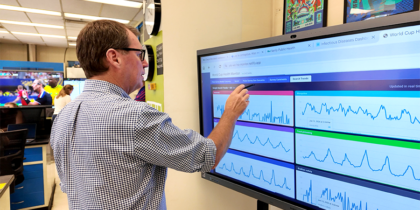
Connected health devices—from blood pressure monitors to glucose sensors—are feeding continuous data streams into centralized platforms. This allows clinicians to monitor patients remotely while maintaining a high level of engagement.
Crucially, RPM is becoming less visible to the user. Devices are blending into daily routines, reducing friction and increasing adherence.
The future of remote monitoring is ambient. Patients shouldn’t have to think about the technology—it should just work in the background, delivering insights without disrupting their lives.
Telehealth evolves into immersive, hybrid care
Telehealth has moved far beyond basic video calls. In 2026, it is a fully integrated, hybrid care model that combines virtual consultations with continuous monitoring and in-person support when needed.
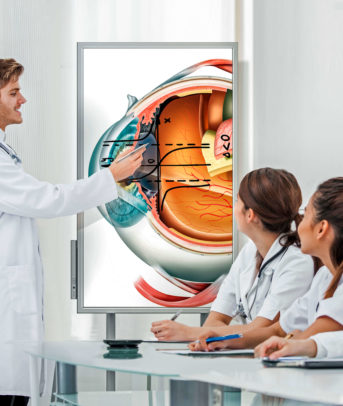
High-resolution displays, advanced audio systems and intuitive interfaces are making virtual visits more engaging and effective—particularly for seniors and patients managing chronic conditions.
Large-screen devices, such as smart TVs, are playing an increasingly important role by making telehealth more accessible and comfortable for users who may struggle with smaller screens.
Interoperability and ecosystems take center stage
As the number of connected health devices grows, interoperability has become essential. The future of home healthcare depends on ecosystems that can seamlessly integrate data from multiple sources and deliver it in a unified, actionable format.
Open platforms and partnerships are enabling:
- Better coordination between care teams
- More comprehensive patient insights
- Enhanced security and data governance
- Collaboration across the healthcare and technology landscape is critical to building scalable, sustainable solutions.
Personalized care becomes the standard
Emerging technologies are enabling a shift toward truly personalized care. By combining data from devices, medical records and user behavior, healthcare providers can tailor interventions to each individual’s needs.
This personalization extends beyond clinical care to the overall patient experience—ensuring that technology adapts to the user, not the other way around.
Looking ahead: A more connected, human-centered future
The convergence of AI, connected devices and digital health platforms is transforming the home into a cornerstone of modern healthcare. What was once a passive environment is now an active participant in care delivery.
Advancing technologies that make healthcare more accessible, efficient and human-centered is key in home healthcare. By leveraging the power of everyday devices, we are helping to bridge the gap between patients and providers—bringing care closer to where it matters most.
The future of healthcare isn’t just digital—it’s personal, connected and increasingly, at home.
To explore Samsung’s home healthcare solutions, connect with a Samsung account executive today.