Wearable technology like smartwatches, smart rings and wireless earbuds are part of everyday life for millions of travelers. In fact, 57% of U.S. adults own at least one wearable or connected device, according to a 2025 survey by Rock Health. For hotels, these accessories offer tremendous opportunities to improve the guest experience.
Many forward-thinking hotels are already equipping employees with wearable technology to improve communication and operations. At the same time, they are making better use of the guests’ own wearable devices. By delivering services and communication through wearables, hotels can build on habits guests already have and improve services from check-in to checkout — and beyond. Here’s how.
Expand digital services beyond the mobile device
Mobile check-in and digital room keys are now familiar features at hotels. Wearables are a natural extension of those services.
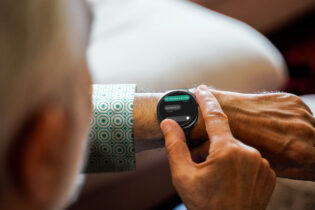
Instead of reaching for their mobile device or a physical keycard, guests may use their personal wearables, such as Samsung Galaxy Watch9, Samsung Galaxy Watch Ultra2 and Samsung Galaxy Ring, to unlock their room, access elevators and enter fitness centers, spas and other secure areas. The same smartwatch can also display reservation details, check-in information or reminders for upcoming activities.
For hotels, the benefits go beyond convenience. Wearables help reduce dependence on plastic keycards, shorten check-in lines at the front desk, improve communication and help guests start enjoying the property quicker.
Personalize the guest experience from check-in
Travelers increasingly expect hotel stays to reflect their personal preferences. Connected wearables help make that possible.
For instance, in hotels equipped with Internet of Things technology, a guest’s wearable device could communicate their preferred room settings upon arrival. Lighting, temperature and other environmental controls might automatically adjust based on saved preferences rather than requiring guests to manually change them each stay.
The same approach could support a guest’s personalized schedule during a visit. Guests might receive reminders through the hotel’s app before a spa appointment, restaurant reservation or conference session directly on their smartwatch instead of checking a mobile device. Hotels might also send special offers related to guest preferences during their stay.
Help guests navigate large properties with confidence
Navigating large properties with multiple restaurants, pools and meeting spaces may be challenging, especially for first-time guests.
Instead of stopping at a map or asking for directions, guests could receive turn-by-turn guidance on their smartwatch, similar to that of map applications. Through a text-to-speech function or pre-recorded guidance, those directions can be delivered directly to guests’ ears via Samsung Galaxy Buds4. That’s invaluable when trying to reach the correct ballroom or meeting room in time for a conference session.
These small interactions reduce frustration while helping guests make better use of hotel amenities. They can also take pressure off the front desk so staff stays focused on higher-value guest services.
Make transactions and communication more convenient
Many guests already use digital wallets on their smartwatches to make everyday purchases. Hotels can tap into that familiarity by allowing guests to pay for meals, spa treatments, retail purchases or late checkout without reaching for their wallet or phone. All it takes is a swipe and tap on their smartwatch, and presto.
AI-driven translation levels up when connected to wireless earbuds, a huge bonus for international travelers. Galaxy Buds4 support the Galaxy AI features, Live Translate and Interpreter, which translate 22 languages in real time, and feeds those translations directly into ears.
This helps reduce language barriers during conversations and makes guests feel more confident. Hotels could also use those capabilities to support concierge interactions, in-stay advertising, food and beverage menus, guided tours and other guest services where clear communication matters.
Extend the guest journey before arrival and after checkout
Wearables help create value long before guests step into the lobby — and long after they leave.
Before arrival, hotels could send check-in reminders, room-ready notifications or upgrade offers directly to a guest’s smartwatch. During the stay, those same devices provide navigation, reservation reminders and contactless payments. After checkout, wearables could support loyalty rewards, digital receipts or personalized offers for a future visit.
Build trust alongside convenience
Wearable technology can generate a goldmine of guest data for hotels. Every interaction conducted through a wearable device communicates information about guest needs, preferences and actions — individually and collectively. That enables hotels to fine-tune service, spot trends, enhance messaging and design more effective advertising.
However, convenience should never come at the expense of privacy. As hotels expand wearable integrations, it’s important they provide full transparency on how guest data is collected and used. Guests should be able to opt in to personalized features while still controlling their privacy.
This benefits both guests and hotel operators. Travelers receive more relevant services, while hotels strengthen trust and encourage greater adoption of digital experiences.
Meet guests where they already are
As guests arrive with wearable devices, hotels have an opportunity to meet them where they already are. From check-in and room access to navigation and mobile payments, wearables can simplify many of the small interactions that shape a guest’s stay.
Because guests already own these devices, hotels don’t need to invest in additional hardware to deliver these experiences. Instead, they can extend existing digital services to the wearables guests use every day, making new brand experiences easier to adopt.
Hotels that embrace those capabilities thoughtfully will be well positioned to deliver the connected, convenient experiences travelers increasingly expect.
Learn more about wearable solutions at Samsung and how hotels are using them to improve service and speed AI integration.