Consumers continue to value the brick-and-mortar experience, despite the popularity and convenience of online shopping. According to Capital One Shopping research, 45% of American consumers still shop primarily in stores, and 65% shop in stores weekly. That preference shows up most in groceries and personal care and beauty, and older generations especially still gravitate toward the in-person experience, per the same report.
So, how can brick-and-mortar outlets capitalize on that loyalty? By layering in the personalization and convenience shoppers now expect. The best stores are doing it with digital displays that tap social media, data, AI, and traffic mapping.
Using Samsung displays paired with partner technologies, retailers can build personalized shopping experiences that mirror their online presence, draw shoppers in and keep them coming back. Here’s how.
Connect the digital and physical experience
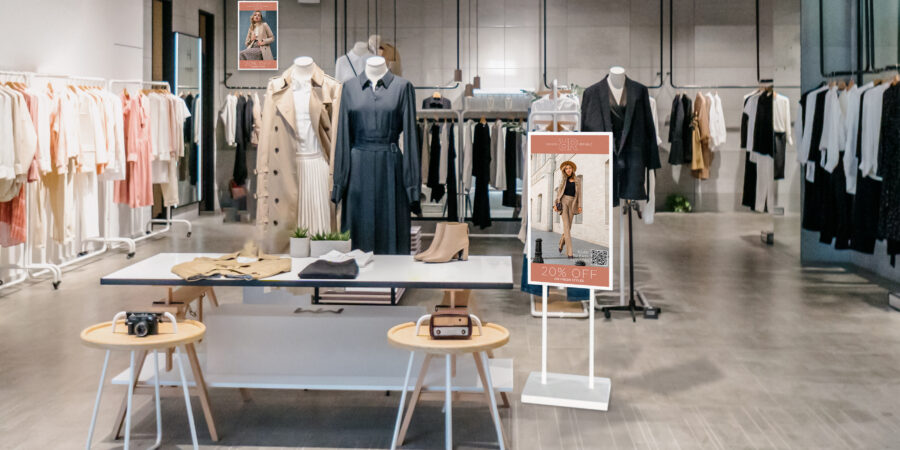
Effective, modern digital signage can bridge the gap between a brand’s online and in-store experiences. It does this by extending the digital ecosystem into the physical space, unifying content, data and design across customer touchpoints.
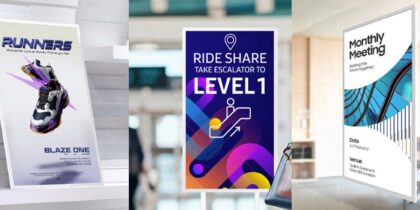
This is ideally suited to Samsung displays like The Wall All-in-One, The Wall MMF-A and the 115″ Supersized Signage QH115FX 4K display for vibrant, high-impact storytelling. Light and mobile signage like the 32″ EMDX Series Color E-Paper QHD Smart Signage offers a particularly seamless, simple way to deliver informational updates on pricing, promotions and wayfinding anywhere in the store.
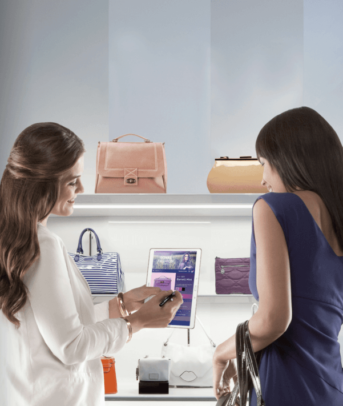
National omnichannel retailer Frontgate uses Samsung Interactive Displays to support personalized, in-store design consultations. As part of a store redesign, Frontgate equipped its in-house designers with displays that make it easier to collaborate with customers and visualize furniture, fabrics and decor beyond what’s physically on the sales floor. These displays replaced smaller PC-sized computer screens, ultimately creating a more immersive, comfortable experience.
Samsung Interactive Displays can also run on the cloud-based content management system Samsung VXT,giving retailers the ability to create and schedule dynamic content in real time that mirrors online shopping. It provides the flexibility to take advantage of any opportunities that might arise and match customer needs in the moment.
Use customer content and social signals
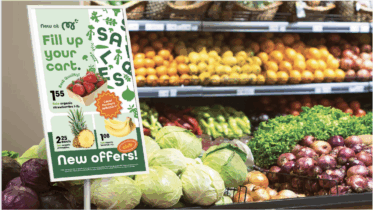
Regardless of where customers prefer to shop, 86% start their purchase journey by researching products online, according to the Capital One Shopping research, even if they plan to buy in person. Retailers can take advantage of this by connecting with customers via social media to reinforce the brand image, offer special discounts and promote in-store events, further customizing the shopping experience.
Customer relationship management platform Sprinklr uses AI to identify a brand’s most loyal supporters and then amplify their user-generated content (UGC), such as pro-brand posts, via in-store displays. Today, UGC has become a measurable driver of business results, with brands seeing 6.7x higher conversions than non-UGC content, up 57% quarter-over-quarter, according to the Q1 2026 Social Media Benchmark Report by Emplifi.
Bringing UGC into the store requires strategically placed displays that turn real customer content into part of the shopping environment. At the entrance, outdoor displays like Samsung OHA Series 75″ can greet customers with positive testimonials, timely messaging or seasonal promotions, while additional displays throughout the store are able to showcase behind-the-scenes content or lifestyle imagery that echoes the online experience.
Use in-store data to respond to behavior
Understanding customer needs and preferences is critical for retailers, and to do this, they need data. Without data, it’s nearly impossible to market to the target audience and send relevant messaging at the right time. By knowing how to collect customer data in-store, brands can increase basket size and upsell more effectively with insightful, personalized offers.
How digitizing retail experiences boosts ROI
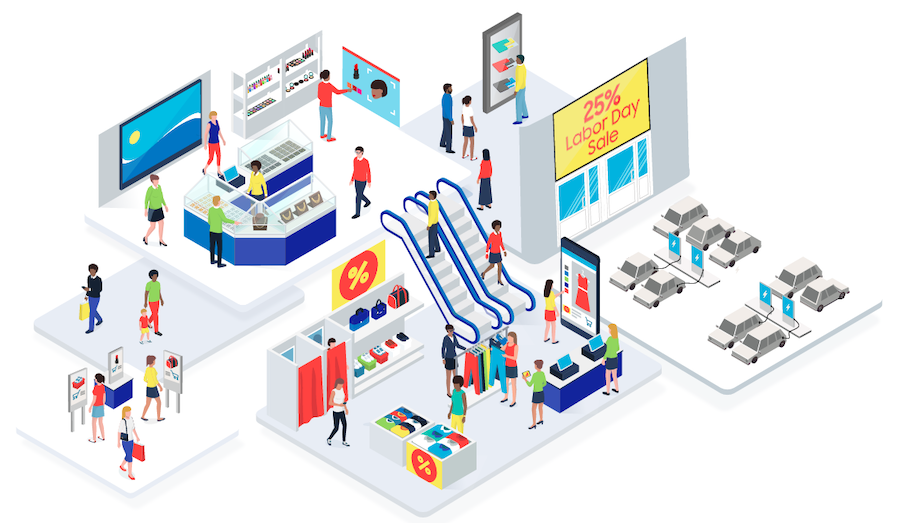
Explore customer behavior with and the operational benefits of a complete digital retail ecosystem.
Download Now
In-store data can help retailers move from broad messaging to more relevant experiences. Sensors and connected technologies can reveal where shoppers spend time, which displays attract attention and how customers move through a space. Retailers can use those insights to adjust content, promotions and the in-store environment based on what shoppers are actually doing.
Using Internet of Things sensors, intelligent displays, networked audio, physical security systems and more, Blueforce technology enhances customer experience while providing an additional layer of cyber-physical security. Harman drives customized sensory experiences in retail spaces with audio, lighting and even aromas.
Both, along with FastSensor, work with Samsung displays to create a clearer picture of customer habits than ever before and point to ways to shape marketing to meet them.
Personalized journeys are key to in-store retail
A key to success in retail is creating personalized, interactive, in-store experiences that seamlessly blend with online branding. From try-on to checkout, brands must captivate and inform customers with dynamic content at every touchpoint of the in-store journey. With the power of Samsung solutions and a diverse portfolio of software partners, businesses can build customized retail solutions that truly exceed customer expectations.
Learn more about how Samsung displays can transform your retail space, and see why Samsung Spatial Signage brings a new dimension to retail displays.